
XVth AIECM3 International Congress on Medieval and Modern Mediterranean Ceramics
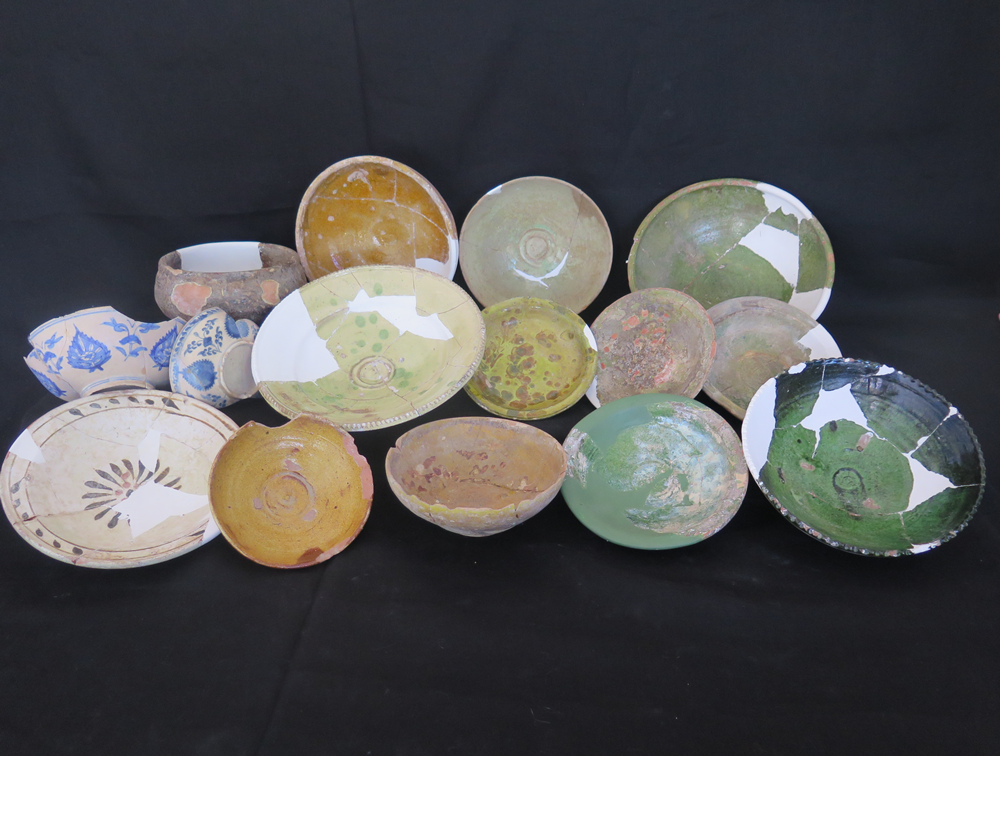
Archaeological Excavations and Underwater Ceramic Finds
While ceramic studies have traditionally focused on materials recovered from terrestrial archaeological contexts, underwater ceramic finds remain comparatively underrepresented in the scholarly literature. Terrestrial assemblages provide valuable insights into urban development and regional histories, whereas underwater finds are particularly significant for reconstructing patterns of trade and maritime exchange.
Techniques and Innovative Applications
This theme encompasses recent research, experimental approaches, workshop practices, previously undocumented productions, as well as developments in techniques and production technologies within the fields of ceramics and tile-making.
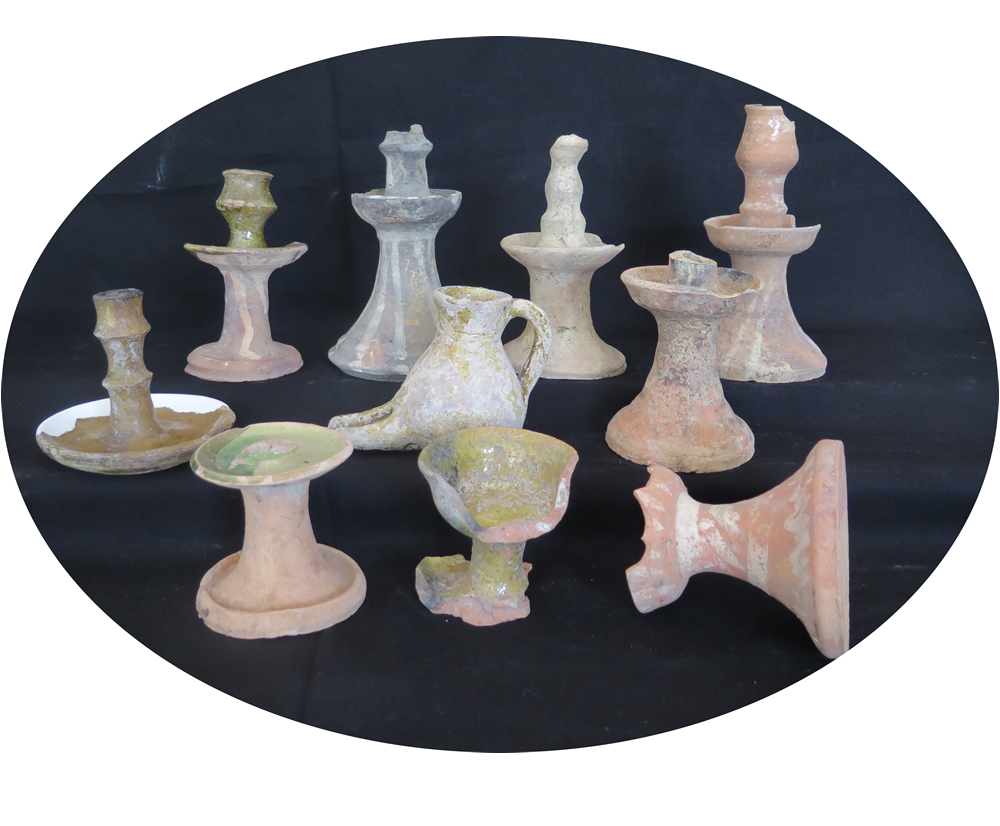
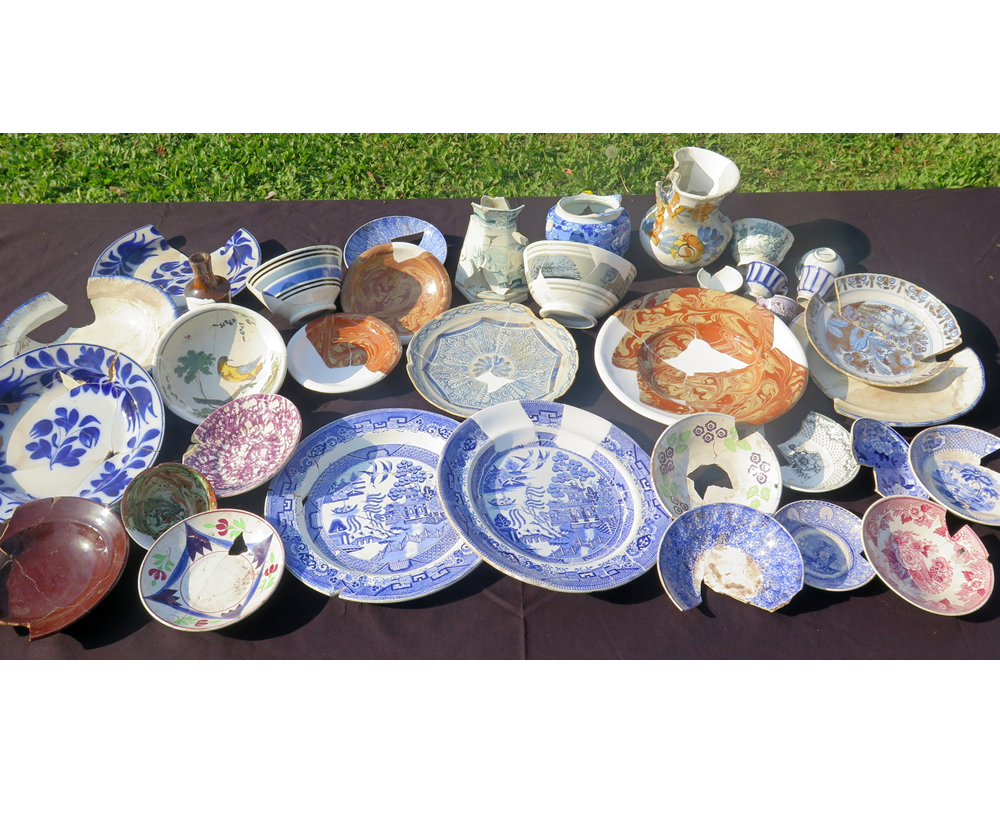
Ceramic Trade
This thematic strand addresses the circulation of ceramics in the Mediterranean during the medieval and modern periods, with particular emphasis on socio-economic interactions, consumption patterns, and cross-cultural exchanges. The movement of ceramic goods is also considered in relation to the transmission of technical knowledge and stylistic influences across regions.
Cultural and Technological Interactions
This theme explores the interplay between cultural exchange and technological development, as reflected in materials, production techniques, and decorative repertoires. Such interactions, facilitated by trade networks, artisan mobility, and intercultural contact, are essential for understanding technological innovation and stylistic diversity.
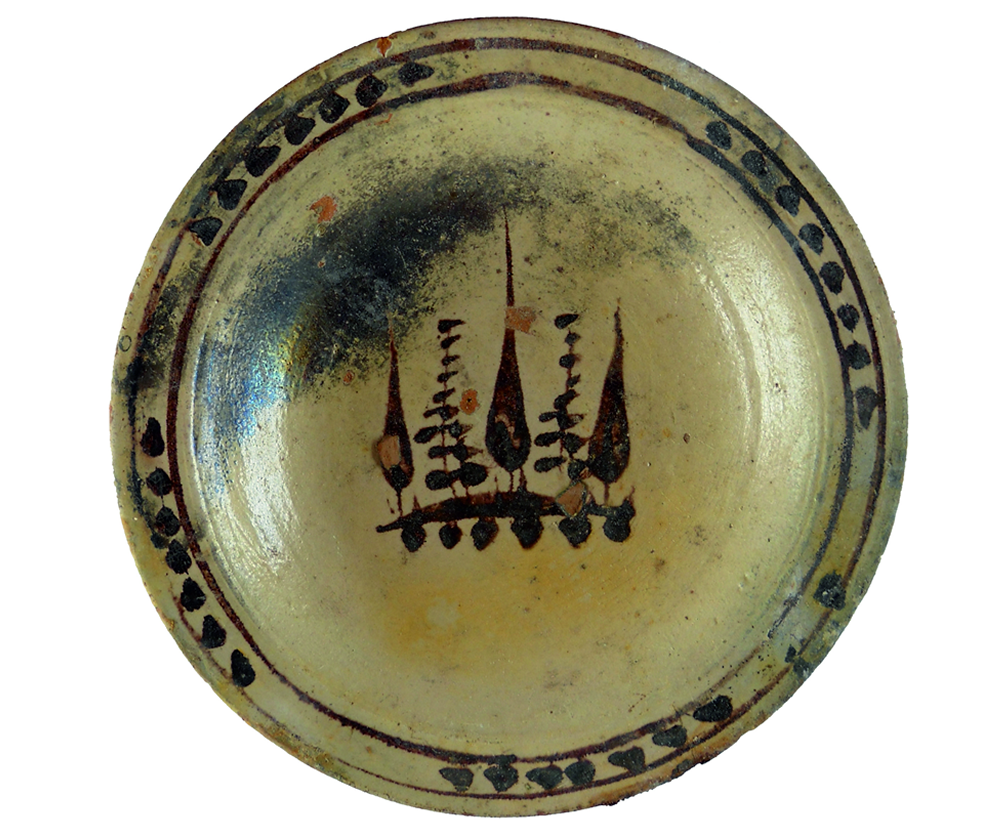
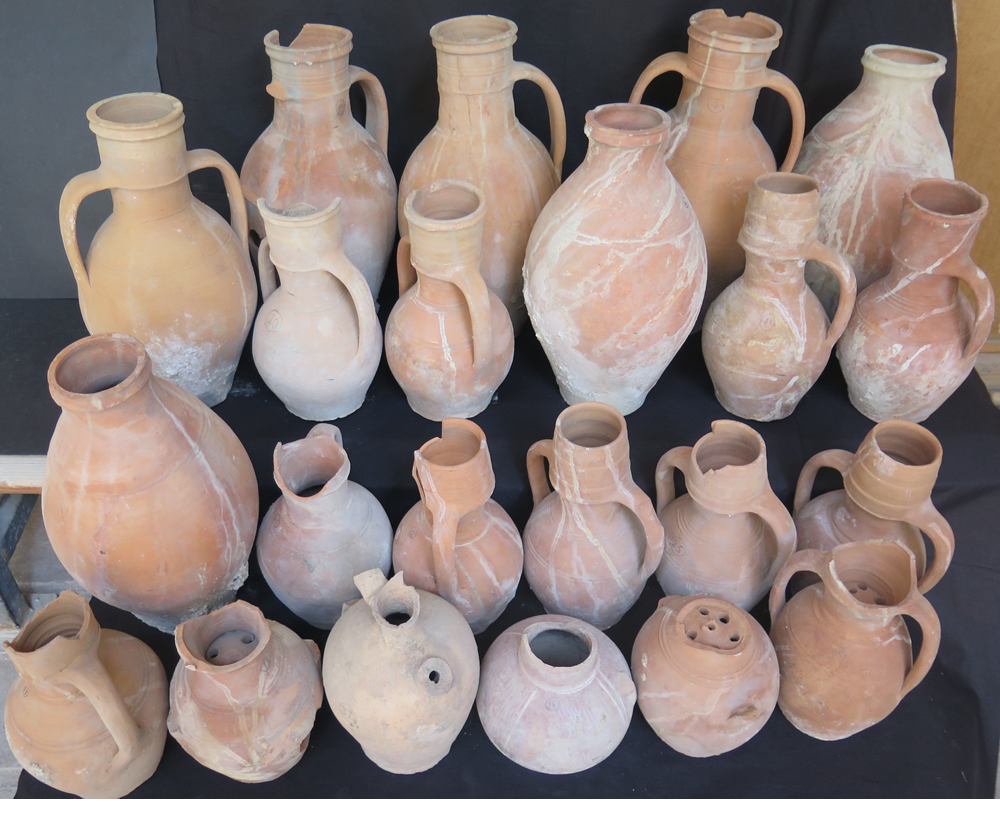
Ceramics in Anatolia (From the Byzantine Period to the Present)
Ceramic production and use in Anatolia during the medieval period and beyond can be traced through a wide range of archaeological finds. These materials, notable for their technical and stylistic diversity, also reflect the socio-economic conditions of their respective periods.
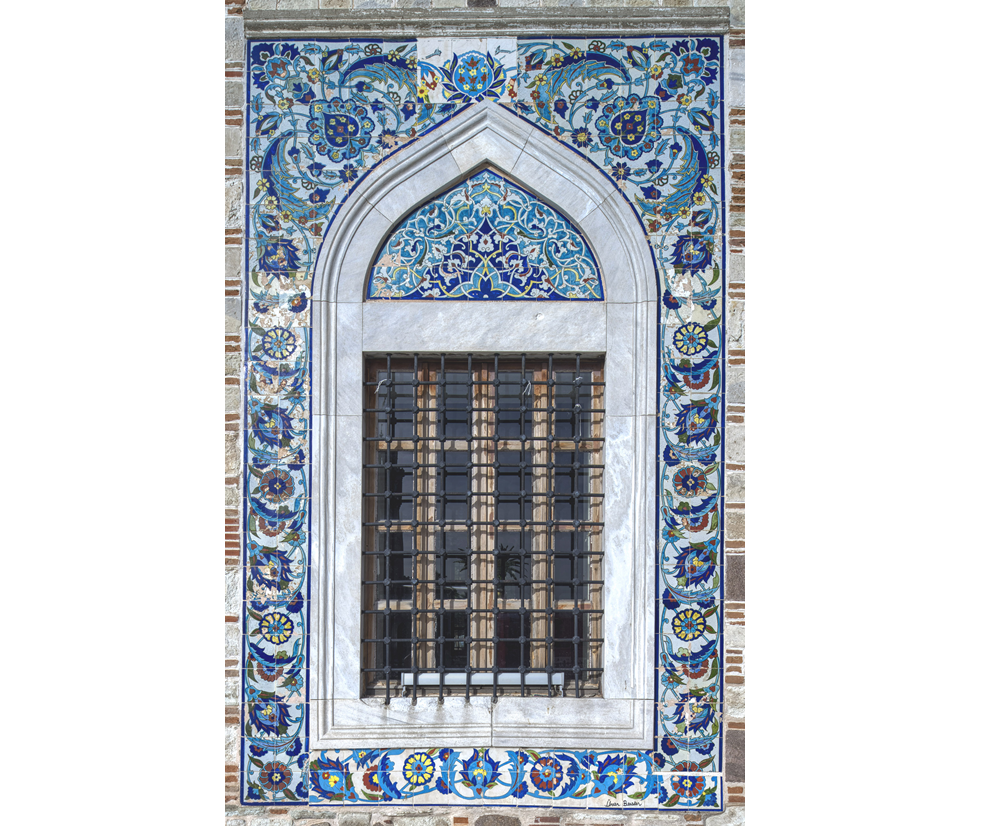
Ceramics and Tiles in Architecture
This theme includes studies on ceramic elements used in architectural decoration, such as tiles, tile mosaics, glazed bricks, and bacini. It also encompasses archaeological evidence of kilns, workshops, and associated production contexts identified in excavations across the Mediterranean.
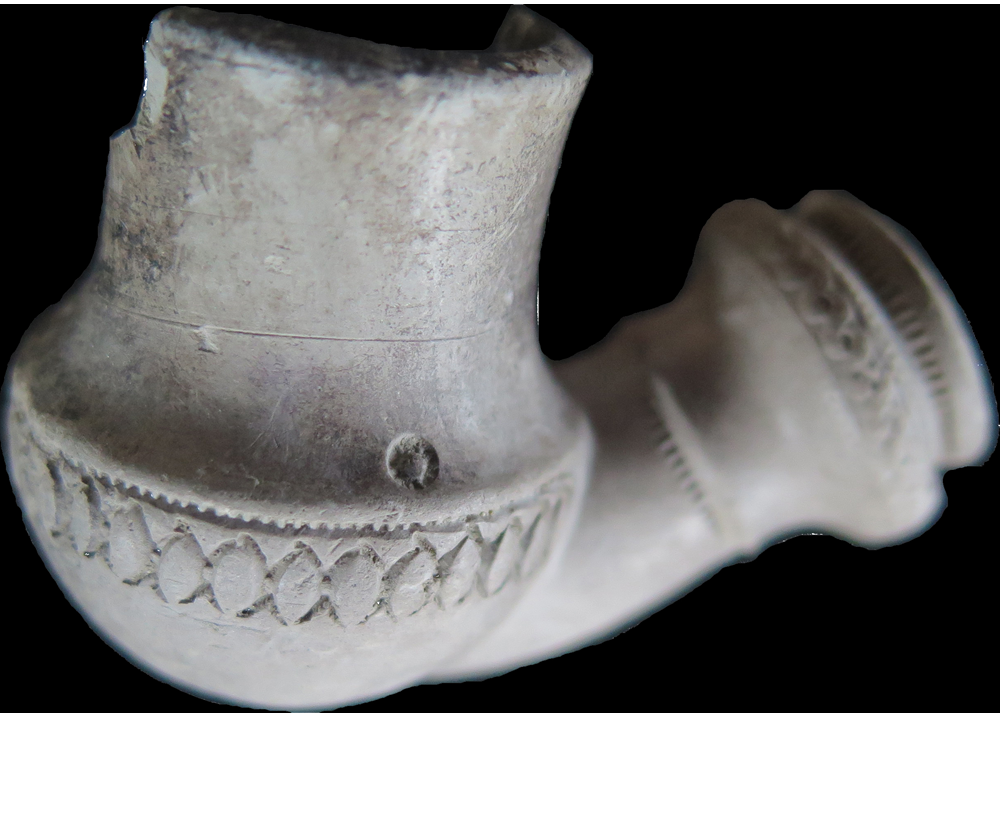
Ethnoarchaeology
Ethnoarchaeological approaches contribute to the understanding of past ceramic production processes by examining contemporary traditional practices. Such studies play a crucial role in bridging past and present and enrich the scholarly record through comparative perspectives.
Reproductions or Innovations
This theme seeks to reassess the relationship between tradition and modernity in ceramic production, examining how historical forms, techniques, and decorative concepts are reinterpreted in contemporary practice.
